Medical Assistant Training Detroit, Michigan

Learn the workflow. Support the patient experience.

Explore the clinical-support and administrative foundations connected to medical assisting through instructor-led learning in Detroit.

  • Clinical-support context
  • Administrative workflow
  • Patient communication

Program Overview

See how patient support and office workflow come together.

Medical assistants may support both administrative and clinical routines. Their responsibilities vary by employer, specialty, location, and applicable law.

The role in context

A versatile healthcare-support role

Medical assistants help healthcare practices stay organized while supporting patients and licensed healthcare professionals.

The work can connect communication, accurate information, patient preparation, and day-to-day office coordination.

Occupational context: U.S. Bureau of Labor Statistics
01

Patient-facing context

Clinical support

Depending on the workplace and applicable law, occupational duties may include:

  • Welcoming and preparing patients
  • Recording medical histories and vital information
  • Supporting examinations and specimen processes
  • Maintaining careful, confidential documentation
02

Office workflow context

Administrative support

Depending on the workplace, occupational duties may include:

  • Scheduling appointments and answering calls
  • Updating patient and practice records
  • Coordinating forms and routine correspondence
  • Helping information move accurately through the office

What Students Learn

Build skills for both sides of the role.

PETC Medical Assistant training brings together patient-facing clinical learning with the communication, organization, and administrative support used in healthcare environments.

Learning Area 01

Clinical-support learning

Students develop familiarity with patient-facing clinical responsibilities through instruction and hands-on practice.

  1. 01
    Patient interaction

    Build professional communication habits that support respectful and attentive patient interactions.

  2. 02
    Clinical workflow awareness

    Develop familiarity with the organization, preparation, and careful habits involved in clinical support.

  3. 03
    ECG lead-placement practice

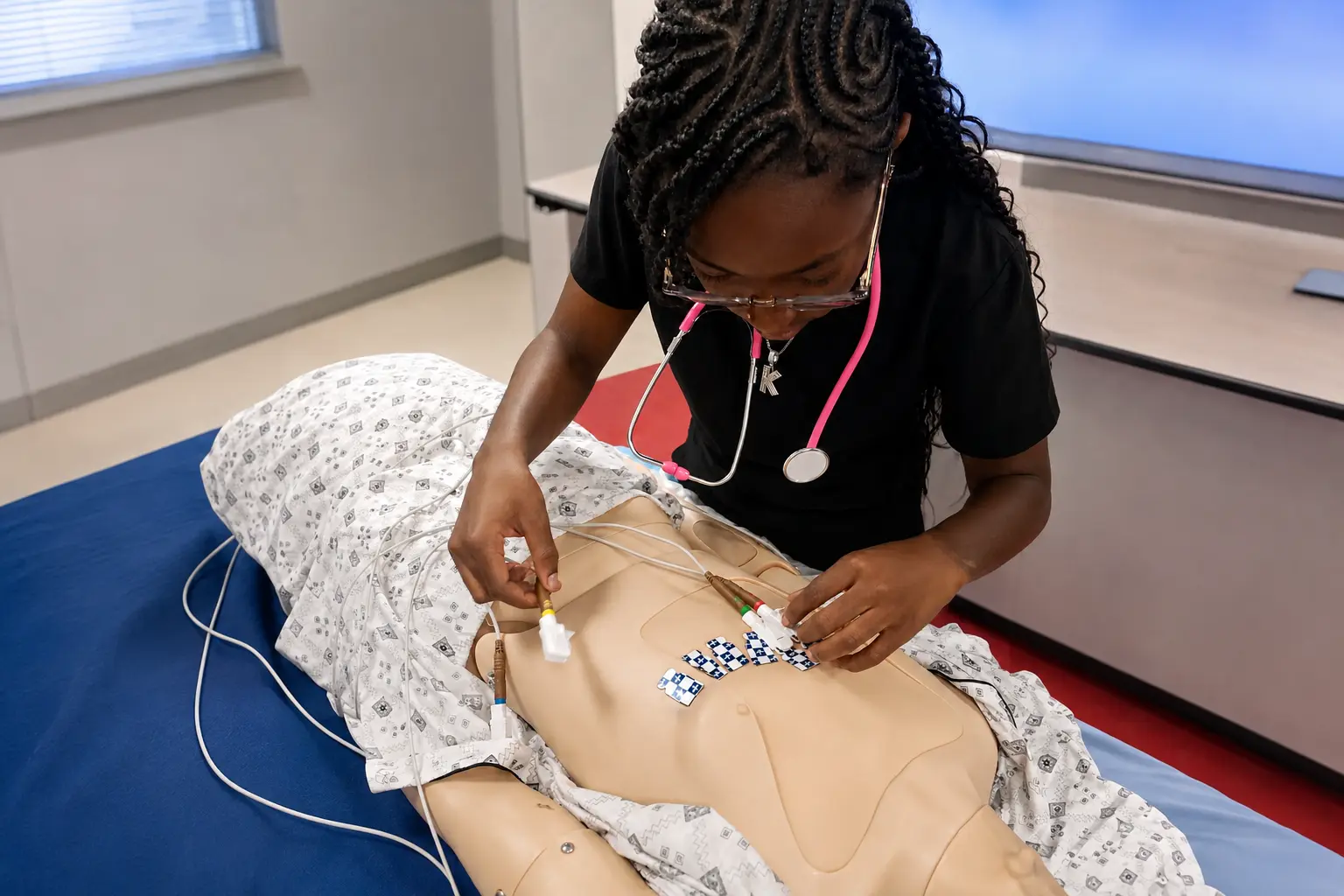
    Practice ECG lead placement as part of PETC's hands-on Medical Assistant training experience.

Learning Area 02

Administrative-support learning

Training also introduces the communication and organizational responsibilities that help support the day-to-day flow of a healthcare office.

  1. 04
    Healthcare communication

    Build clear and professional communication habits for interactions in a healthcare environment.

  2. 05
    Information and organization

    Explore the importance of accurate information, dependable organization, and attention to detail.

  3. 06
    Professional confidentiality

    Understand the importance of privacy, professionalism, and responsible handling of information.

Want more program details? Contact PETC for current information about the Medical Assistant training curriculum, class expectations, and enrollment process.

Request Information →

Learning Experience

Build understanding by seeing how the work connects.

The working training approach brings healthcare language, patient interaction, and office workflow into one connected learning experience.

PETC Medical Assistant student practicing ECG lead placement on a training mannequin

Understand the context

Start with the purpose behind the task.

Connect terminology and routine responsibilities to the patient experience and the day-to-day needs of a healthcare office.

Follow the information

See how one action supports the next.

Explore how communication, careful information, and organization can move together across patient-facing and administrative workflows.

Strengthen professional habits

Keep accuracy, respect, and reliability in view.

Reinforce the communication and organizational habits that help support a professional, confidential, and patient-centered environment.

Student Support

Know where to look when questions come up.

The working support plan centers on clear information, respectful communication, and practical guidance for each stage of training.

Clarity

Clear information

Program expectations, important details, and next steps should be communicated in language students can understand and revisit.

Communication

Room for questions

A supportive learning environment makes it easier to ask for clarification and reconnect ideas when something is not yet clear.

Direction

Practical next steps

Students should be able to identify what comes next and where to find confirmed answers about the program.

Support across the journey

A clear path matters from inquiry to completion.

  1. Before training

    Find accurate information about requirements, timing, and enrollment.

  2. During training

    Understand learning expectations and the confirmed way to ask questions.

  3. At completion

    Receive clear information about completion documents and available next steps.

Before You Enroll

Make your decision with the right details in hand.

Review the current tuition and class availability, then connect with PETC about any program requirements or completion details you need before enrolling.

Class Schedule

Choose an upcoming session

Current Medical Assistant sessions are published on PETC's Class Schedule. Review the available dates and meeting times before choosing your class.

Tuition

$5,100 program tuition

Current tuition for PETC's Medical Assistant training program is $5,100. Contact PETC if you have questions about payment arrangements or what is included.

Enrollment Preparation

Confirm what you need before class

Ask PETC about any current eligibility requirements, documents, health records, identification, attire, or other items that may be needed before training begins.

Completion & Next Steps

Understand your completion pathway

Talk with PETC about the completion document awarded by the program and any additional certification or career steps you may want to consider afterward.

Questions before enrolling? PETC can help you confirm current program requirements, enrollment details, and next steps before you choose a class.